Polymaker ASA Review
Mid-range; broadly comparable with mainstream unfilled ASA such as Bambu ASA.
Our verdict
I’d choose Polymaker ASA for sun-exposed covers and other practical outdoor parts if I already had an enclosed printer and suitable emissions control. Its sun and heat resistance justify the extra setup, but large, flat parts need more tuning. I’d start with one kilogram before committing to a larger spool.

Best atOutdoor parts that need sun and heat resistance, printed in an ASA-ready workspace.
Less suited toOpen-printer desk setups and ordinary indoor parts that PLA or PETG can handle more easily.
The Key Specs
| Material | Standard, unfilled ASAFormerly PolyLite ASA; Fiberon ASA-CF08 is a different material. |
|---|---|
| Outdoor use | UV and weather resistanceA useful choice for sun-exposed covers; no guaranteed outdoor lifespan. |
| Starting temperatures | 230–260°C nozzle; 75–95°C bedUse Polymaker’s guidance and tune an ASA profile for your printer. |
| Print environment | Enclosure; part-cooling fan offRetained heat helps limit lifting and layer separation; emissions control is a separate requirement. |
| Drying | 70°C for seven hours when moisture-affectedUse a dryer rated for that temperature and keep the spool dry afterward. |
| Heat data | About 100°C HDT at 1.8 MPa; 103°C at 0.45 MPaThese are bending-test results under specified loads, not continuous-use temperature limits. |
Which ASA Spool Should You Buy?
- 1 kg, 1.75 mm spool
- My starting choice for a compatible hobby printer; check fit and finish on your intended shapes first.
- Larger spool
- Choose after the material works for your parts, and check that your spool holder accepts it.
- Older PolyLite ASA packaging
- The same standard material under its former name; check diameter, especially on older stock.
Budget For ASA Handling And Storage. Allow for an enclosure, emissions controls, a temperature-capable filament dryer and dry storage. A compatible build-surface adhesive may also be needed. Include filament and time for tuning and trial parts.
Also consider: Bambu ASA. Worth considering for automatic RFID filament settings in a compatible Bambu AMS; Bambu lists ASA as incompatible with AMS lite.
More Material And Handling Details
| Hotend | Polymaker recommends an all-metal hotend capable of more than 250°C; check the printer’s limits. |
|---|---|
| Build surface | Polycarbonate or textured PEI; follow the surface maker’s preparation and removal guidance. |
| Spool and diameter | Modern spools use recycled cardboard. Older 2.85 mm filament does not substitute for 1.75 mm. |
| Layer direction | Orient loaded parts to avoid pulling layers apart, and check the actual design before relying on it. |
| Finish | Do not assume every color or setup produces the same matte appearance. |
I’d consider Polymaker ASA for outdoor covers, garden labels and other practical parts that need to handle sunlight and heat. I’d recommend it as a first ASA spool if you already have an enclosed printer, suitable ventilation and time to adjust a few settings. If you’re printing beside your desk on an open printer, prepare your setup first.
The main drawback is the work needed to keep prints warm enough to avoid lifting or splitting. Polymaker offers useful material data and printing guidance, but the spool doesn’t remove those demands. For everyday parts that won’t get especially hot, PETG, another common printing plastic, is easier to print because it shrinks less as it cools.
Which Polymaker ASA Spool This Review Covers
This review covers standard Polymaker ASA, without added reinforcing fibers. Polymaker says it’s the same product previously sold as PolyLite ASA, and old packaging may still arrive during the changeover. That makes older PolyLite printing results relevant, although they don’t establish how every color or production batch will behave.
For a typical hobby printer, look for a 1 kg spool of 1.75 mm filament—the plastic strand fed through the printer’s nozzle. Polymaker also lists larger weights, but check your spool holder before choosing one. Older documentation includes 2.85 mm filament; that diameter isn’t interchangeable with 1.75 mm. Modern Polymaker spools use recycled cardboard, unlike the plastic spools pictured in some early reviews.
Fiberon ASA-CF08 is a separate, carbon-fiber-filled material with different printing requirements. Its claims about reduced warping, or distortion as a print cools, don’t apply to the standard ASA reviewed here.
What Your Printer Needs For Polymaker ASA
Start with Polymaker’s newer guidance: a nozzle at 230–260°C, a heated bed at 75–95°C, an enclosure and the part-cooling fan off. That’s the fan blowing on the print, not the fan protecting the hotend—the assembly that melts the filament. Polymaker recommends an all-metal hotend capable of more than 250°C; check your printer’s documented limits before using those temperatures.
Older pages specify 240–260°C. The newer range extends lower, while current tips still favor 240–260°C for faster printing or better bonding between layers.
The published 50–200 mm/s speed range isn’t a promise that your printer can print every shape at its upper limit. Use an ASA profile—a preset group of settings—in your slicing software, the program that prepares the model for printing, and adjust from there.
An enclosure retains heat and shields the part from drafts. A small cover is less demanding than a broad, flat housing: as ASA cools and shrinks, corners can pull away from the bed and layers can separate.
Polymaker’s guidance allows for small prints on open printers, but I wouldn’t choose a first spool based on that exception. Larger parts may need a warmer printing chamber than a simple enclosure provides. Don’t add a heater unless your printer is designed for it.
Polymaker lists polycarbonate and textured PEI as suitable build surfaces—the top of the bed where the print sticks. PEI is a plastic coating on the plate.
Follow the surface maker’s preparation instructions and use a compatible adhesive when needed; it can help the print stick or form a separating layer that makes removal easier. Let the plate cool before removal. Extra glue won’t make up for a cold, drafty enclosure.
If your filament has absorbed moisture, the newer drying recommendation is 70°C for seven hours, replacing the older six-hour instruction. Current tips also allow a shorter cycle after brief exposure.
Drying matters most after damp storage or when moisture causes print defects; it isn’t a cure for every lifted corner. Use a filament dryer rated for the required temperature and keep the spool dry afterward.
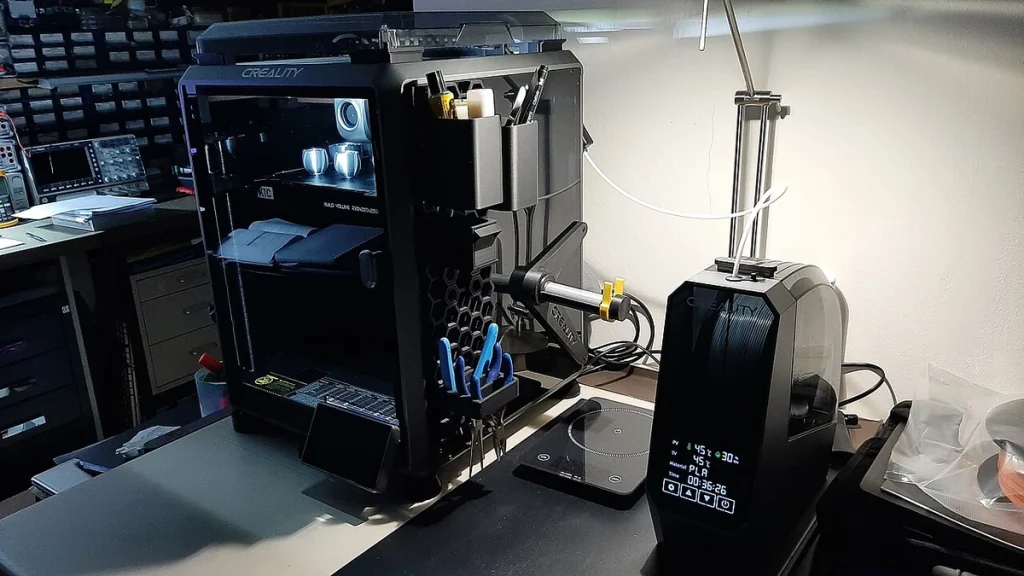
Keeping the print warm and controlling emissions are separate jobs. Capture emissions at the printer, for example with a ventilated enclosure that exhausts outdoors, and ventilate the room too. The exhaust setup needs to remove emissions while keeping the chamber within your printer’s operating limits.
HEPA filters capture particles; gases need appropriate gas or vapor filters. Closing the printer’s door isn’t enough on its own, and smell can’t tell you whether exposure is safe.
What To Expect From Polymaker ASA Prints
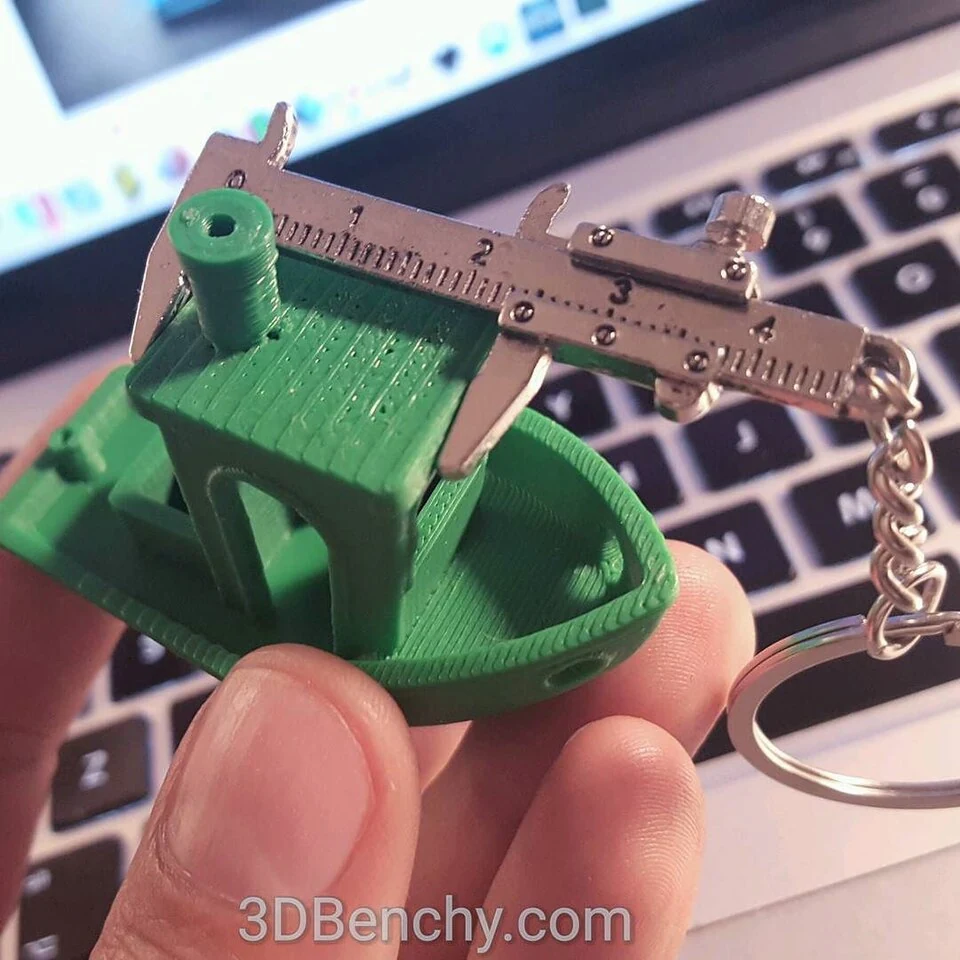
Expect usable detail, with some adjustment needed around unsupported slopes and overhangs. In a reported PolyLite ASA trial, a small Benchy test boat printed with recognizable fine features and no reported stray plastic threads between features, but the sloping bow was rough and some details lost their shape.
The unnamed enclosed printer used a 0.4 mm nozzle at 240°C, a bed at 110°C initially and 100°C afterward, and no part cooling. The room was above 30°C. Those bed settings exceed Polymaker’s recommended range; they describe the trial, not a starting recipe.
That black spool produced a glossy surface, so don’t assume every print will have the matte appearance Polymaker promotes. Nor does one small boat prove that a large enclosure lid will stay flat.
Layer bonding deserves more attention than appearance: a printer builds a part in stacked layers, and the joins can be weak points. A separate study printed Polymaker ASA tensile-test bars—narrow-waisted samples pulled until they broke—on a Bambu X1C.
With a 260°C nozzle, 90°C bed, reported 50°C chamber, 0.254 mm layers, a solid interior and a listed 200 mm/s print speed, samples printed flat averaged 36 MPa in tensile strength. Samples printed standing upright averaged 9.4 MPa. MPa measures force per unit area; pulling the upright bars lengthwise pulled across their layer joins, where they were much weaker.
Those results came from five samples per orientation under one setup, not an optimized profile or a universal strength rating. The upright bars needed a connecting stabilizer to stop them tipping; the author notes that this may have affected the result.
A clean-looking bracket can still break between layers. Position a loaded part so the main force doesn’t pull those layers apart, and test the actual design before relying on it.
For fitted parts, print a small section containing the screw holes or joining edges first. Accurate filament diameter doesn’t guarantee accurate finished dimensions. Shrinkage, first-layer shape and your settings still affect whether two pieces fit together.
How Well Polymaker ASA Suits Outdoor Parts
Sun resistance is the strongest reason to choose this material. It’s a benefit of ASA generally, rather than something exclusive to Polymaker. Compared with ABS, another printing plastic, ASA is the more sensible choice when preserving appearance and properties under sunlight matters. Think of a garden sensor cover, a replacement outdoor knob or a sign that stays outside.
Polymaker reports only slight color change in a two-year natural-aging test, plus limited strength loss in accelerated exposure testing. That supports its weather-resistance claim, but the product-page summary doesn’t provide enough detail about specimens, colors and exposure conditions to promise the same result for your part.
A separate two-year garden demonstration by Polymaker’s Japanese distributor used pots printed on an UP BOX+. The ASA pot showed no visible deterioration—but neither did the ABS pot or the one made from PLA, a common plastic for easy indoor prints. That observation is encouraging for a planter, yet it doesn’t prove ASA was superior or show how much strength any pot retained.
Outdoor appearance, mechanical durability and waterproofing are different questions. A rain-exposed electronics housing still needs suitable joints, seals and a check for leaks.
Heat performance also needs context. Polymaker’s newer data sheet gives heat-deflection temperatures of about 100°C at 1.8 MPa and 103°C at 0.45 MPa. These measure bending under specified test loads, not a safe temperature for continuous use. The roughly 98°C glass-transition figure marks the change from hard, glassy behavior toward softer behavior; it isn’t a working-temperature guarantee either.
For a lightly loaded sun-exposed cover, that heat tolerance can justify choosing ASA over ordinary PLA. A thin clip held under tension in a hot car is a tougher job: load, exposure time and layer direction all matter. Don’t use the headline temperature to approve it automatically.
ASA’s toughness doesn’t make every shape impact-proof. Keep this spool’s practical uses to parts whose failure won’t injure someone unless the complete design has been properly validated.
Is Polymaker ASA Worth The Effort And Cost?
Polymaker sits in broadly the same price bracket as mainstream ASA without reinforcing fibers, such as Bambu ASA, when comparing 1 kg spools. There isn’t enough comparable testing to say paying more for this brand will buy stronger parts or fewer failures.
Its useful advantages are the published technical data, available printing profiles and continuity with the older PolyLite product. Those help you choose starting settings. They don’t prove tighter finished-part dimensions or better consistency than competing spools.
Bambu ASA is a relevant alternative if you use a compatible Bambu Automatic Material System (AMS), which feeds filament to the printer. It reads the spool’s electronic RFID tag to load filament settings automatically. Bambu lists ASA as compatible with AMS, but not AMS lite.
That convenience doesn’t settle which material will perform better in your design. If another standard ASA already prints your parts successfully, there’s no demonstrated reason here to switch brands for strength alone.
The bigger cost may be preparing your printer and workspace. An enclosure, emissions controls, drying when needed and time spent adjusting settings can matter more than a modest spool-price difference.
If your project is a room-temperature organizer, ordinary PLA keeps things simpler. For a practical part that needs some flexibility and weather resistance without ASA’s printing demands, consider PETG.
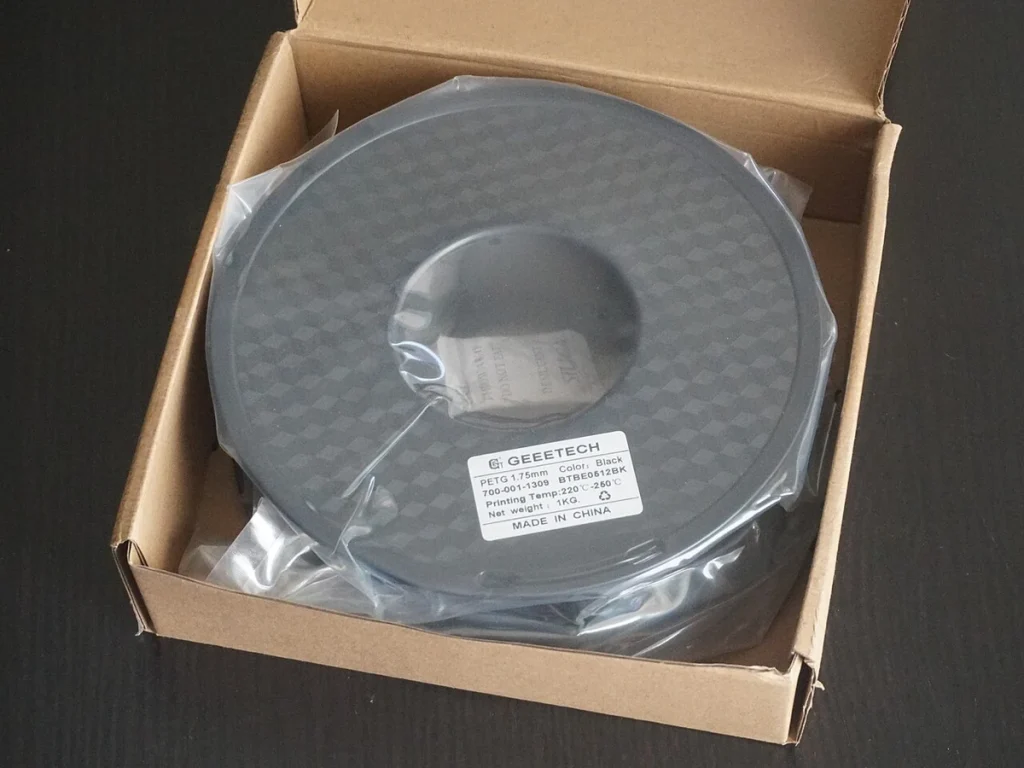
I’d start with one kilogram of Polymaker ASA and a part like the ones you plan to make before buying a large spool. That lets you check fit, finish and resistance to lifting on the shapes you actually need.
Who Should Buy Polymaker ASA, And Who Should Skip It?
Buy Polymaker ASA if you regularly make sun-exposed parts whose failure won’t injure someone and already have a printer and workspace suited to ASA. It’s a reasonable first spool for someone willing to tune a profile and check how the finished part behaves.
Prepare first if your printer is open, its temperature limits are unclear or you haven’t arranged emissions control. Choosing a different ASA brand won’t solve those setup problems.
Skip it for ordinary indoor decorations, or choose PETG when moderate heat resistance and easier printing meet the need. Allow for more adjustment when moving from small prints to large, flat parts.
Polymaker ASA is worth the effort when you need its sun and heat resistance. There’s no demonstrated reliability advantage over competing ASA spools or guaranteed outdoor lifespan.


