Tamiya TS Spray Paint Review
Lower equipment outlay than an airbrush setup; specialty TS-83 costs more than ordinary TS colors.
Our verdict
A convenient choice for an occasional rigid plastic model-car body when you want broad sprayed coverage without an airbrush. Surface preparation, gradual coats and enough curing time still determine the result; check specialty colors and clear coats before planning the paint layers.
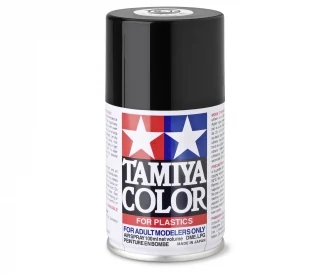
Best atOccasional single-color painting of compatible rigid plastic models in a suitable spraying space.
Less suited toFlexible polycarbonate RC shells, fine patterns or custom color mixing, and workspaces unsuitable for lacquer spray.
The Key Specs
| Formulation | Synthetic lacquer aerosolTreat it as solvent-based lacquer, rather than water-based bottled acrylic paint. |
|---|---|
| Model fit | Rigid polystyrene modelsUse PS instead for flexible polycarbonate or Lexan RC shells. |
| Can size | 100 mlPractice passes, overspray and coat requirements affect how many models a can covers. |
| Layer order | Acrylic or enamel details over a TS baseDo not reverse the order by spraying lacquer over acrylic or enamel. |
| Specialty silver | TS-83 has separate coating restrictionsIts recommended TS-14 black base goes directly on plastic, without primer; do not clear-coat TS-83. |
| Spraying space | Extremely flammable aerosolUse outdoors or in a well-ventilated area; indoor extraction equipment must suit flammable solvent spray. |
Which TS Color Or Finish Should You Buy?
- Ordinary TS solid color
- A straightforward choice for a first compatible model-car body with appropriate primer. Check the TS code and spray a color sample.
- TS-83 Metallic Silver
- Choose it for its aircraft-aluminum look only if you can follow its black-base requirement and leave it without a clear coat.
- TS-13 Gloss Clear
- An additional finish coat that needs its own curing schedule and decal compatibility check; it is not suitable over TS-83.
Budget For The Whole Paint Job. Allow for appropriate primer, any additional base colors, compatible clear coat and polishing supplies. A model holder, practice piece, overspray protection and suitable ventilation and protective equipment also belong in the setup.
More Paint And Handling Details
| Color matching | Online color samples are approximate; compare a sprayed sample using your intended base and finish coats. |
|---|---|
| TS-13 curing | Let the underlying paint fully cure, allowing up to a week for best results; light top coats need 24 hours of drying and curing before further coats or a wet coat. |
| Decals | TS-13 can harm decals. Test a spare over the same paint layers before clearing the finished model. |
| Coverage guidance | Tamiya suggests two or three 1/24-scale car bodies per standard can; this is manufacturer guidance, not a measured yield for your project. |
| Storage | Keep cans away from heat and direct sunlight; do not puncture them. |
Tamiya TS is a good choice for painting a rigid plastic scale-model car body when you want a sprayed finish without buying an airbrush. The main draw is convenience: you can cover broad panels with a ready-to-use can, and reported builds show attractive gloss and metallic finishes.
The catch is that the can only simplifies spraying. You still need to prepare the surface, build the color gradually and check what can go over it. Clear coats deserve particular care. I’d recommend TS for an occasional model-car build with a suitable spraying space, but wouldn’t buy it expecting a flawless, polished finish in one afternoon.
Check that TS suits your model
TS is commonly expanded as “Tamiya Sprays.” Look for the TS code and color name on the can; the Tamiya brand alone doesn’t tell you which paint you’re buying.
Tamiya describes TS as a synthetic lacquer. Some product descriptions also call it acrylic, and Japanese ingredient information lists acrylic resin. Those descriptions aren’t necessarily contradictory: an acrylic resin can be part of a solvent-based lacquer. For practical purposes, treat TS as lacquer, with its solvent and ventilation requirements, rather than as Tamiya’s water-based bottled acrylic paint.
TS suits rigid polystyrene models, including conventional scale-model car bodies. Here, “car paint” means paint for those miniatures, not full-size automotive refinishing.
For a flexible, transparent polycarbonate or Lexan RC shell, choose Tamiya PS instead. Tamiya warns that TS can flake off those shells and tells you not to use PS on ordinary plastic models. The two ranges aren’t substitutes.
AS provides spray colors for aircraft models. Bottled LP lacquer and bottled acrylics are separate choices for brush or airbrush work. Similar color names don’t mean you can apply the paints the same way.
What finish can you expect from TS?
TS can produce a finish worth displaying, but a photograph of a shiny model doesn’t tell you how much finishing happened after the color went on.
In one 2025 owner report, a Lancia 037 build used TS-20 Metallic Green over TS-14 Black, followed by TS-13 clear. The builder liked the shine before polishing. That’s encouraging for an aerosol project, but the shine included a clear coat, and the report came the day after spraying. It doesn’t establish long-term durability or the finish of TS-20 alone.
An older Peugeot 206 project achieved a pleasing result with TS-30 Silver Leaf after clear coating and polishing. Its clear application combined an airbrush with a spray can, so it isn’t an example of that finish coming entirely from the aerosol nozzle.
Shade choice matters, too. The same builder found TS-50 Mica Blue too dark for a Subaru project. That’s a judgment about a particular model’s color, not proof that TS-50 is inaccurate for every use. Tamiya also cautions that its online color samples are approximate.
White deserves patience. In a TS-26 Pure White discussion, owners reported running and difficulty covering the underlying color, while others reported successful thin-layer applications. The original complainant still praised the shine of other TS colors after polishing. These mixed accounts justify careful preparation and a practice piece; they don’t establish that every white can is defective.
If you’re trying to match a particular color or metallic look, spray a sample using your planned base and finish coats. A spare part of the same material is especially useful. Compare it under the lighting where you’ll display the model. You’ll learn more from that sample than from a cap color, and you can decide whether the finish needs more work before painting the body.
Plan your TS primer, coats and clear coat
For a typical polystyrene car body, I’d start with Tamiya Fine Surface Primer after cleaning the surface and dealing with visible seams or scratches. Tamiya specifies its primer for styrene and ABS; white is useful beneath light colors, while light gray suits darker colors. Primer can also be wet-sanded before painting. It helps you prepare an even base, but you still need to fix obvious flaws underneath.

Check special shades before following that plan. For TS-83 Metallic Silver, Tamiya USA specifically recommends TS-14 Black directly on the plastic rather than over primer. It also says not to clear-coat TS-83. This aircraft-aluminum finish is a poor substitute for an ordinary silver if your plan depends on a clear coat over the color.
There’s no single coat count for TS. A mist coat is a light application that leaves only a little paint on the surface. A wet coat lays down enough paint to look evenly wet; it shouldn’t pool or run. Build coverage gradually, checking that opaque colors hide the base evenly without filling small details. With transparent colors, stop when you like the tint; the base is meant to show through.
The historical TS-30 Peugeot used two mist coats and three wet color coats over gray plastic primer. Its builder then applied clear shortly afterward. That sequence followed earlier TS-13 cracking, including a TS-76 finish that cracked after ten weeks. The successful follow-up doesn’t prove the proposed drying-rate explanation or make five coats a universal recipe.
For TS-13, follow Tamiya USA’s guidance: let the underlying paint fully cure, allowing up to a week for best results. Its page also directs light top coats followed by 24 hours of drying and curing before further coats or a wet coat. A surface that feels dry isn’t necessarily hardened throughout or ready for polishing.
Plan detail painting around the layer order. Tamiya permits acrylic or enamel details over a TS base, but its compatibility chart rejects lacquer over acrylic or enamel. Don’t reverse that advice just because both products carry the same brand.

Decals need their own check. Tamiya warns that TS-13 can harm them. Test a spare decal over the same paint layers before clearing a finished model; successful mist-coat anecdotes don’t guarantee your decal sheet will tolerate it. Applying decals after the clear avoids spraying TS-13 directly onto them.
Can you spray TS in your workspace?
TS needs a place where you can control both airborne paint and solvent vapor. The range’s safety data sheet calls it an extremely flammable aerosol and directs outdoor use or a well-ventilated area. An open window beside your modeling desk isn’t enough to establish that the setup is suitable.
For indoor spraying, check that the booth manufacturer explicitly permits flammable solvent paints and aerosols. You need appropriate extraction to a safe outdoor location, including while the paint dries. A small booth that catches paint dust may still be unsuitable for flammable vapor; don’t improvise with a household fan.
Follow the can’s instructions for protective equipment. A dust mask alone doesn’t filter solvent vapor. Respiratory protection must suit both the vapor and spray particles, fit properly and be used alongside ventilation. Keep spray away from your eyes and skin, other people, flames and anything that could spark.
Keep cans away from heat and direct sunlight, and don’t puncture them. Don’t copy old can-warming tricks.
For application, secure the body on a holder, shake the can as instructed and use its stated spraying distance. Practice moving the spray across a sample first. Allow space to catch overspray, the paint that misses the model. An airbrush gives finer control, but switching tools doesn’t remove lacquer’s ventilation requirements.

Does TS make sense for your painting budget?
For an occasional single-color body, TS lets you avoid buying an airbrush and its air supply. You also avoid mixing paint for the spray session and cleaning an airbrush afterward. That makes it a sensible starting point if you already have somewhere suitable to spray.
Count the whole paint job, though. Primer, additional base colors, clear and polishing supplies can turn one color can into several purchases. Specialty TS-83 costs more than ordinary TS colors and calls for a separate black base.
Each standard TS can holds 100 ml. Tamiya suggests that amount can cover two or three 1/24-scale car bodies, but treat that as general manufacturer guidance. Practice passes, overspray, body size and the coats needed all affect consumption. It isn’t a reliable cost-per-model calculation.
If you paint frequently or want custom mixtures and small patterns, bottled model paint through an airbrush becomes more appealing for its control and flexibility. Check the actual bottled color rather than assuming an exact TS equivalent. There’s no fixed number of models after which an airbrush pays for itself. A larger hardware-store aerosol isn’t automatically better value if you don’t know whether it works with your model and other coats.
Should you choose TS for your next model?
Choose TS if you’re painting a compatible rigid model, like an available color and want convenient coverage without an airbrush. For a first car body, a straightforward solid color with the appropriate primer is an easier plan than a specialty metallic with extra restrictions.
Choose PS for a polycarbonate RC shell. Consider bottled paint and an airbrush when fine control or mixing colors matters more than quick setup. If your workspace can’t safely handle lacquer spray, TS doesn’t suit that workspace. Its convenience is worthwhile when you can give the preparation and drying time equal attention.


