eSUN ASA Review
Potential budget buy only when the exact standard spool is confirmed; a general price advantage over rivals is unproven.
Our verdict
I’d choose a confirmed standard eSUN ASA spool for modest outdoor parts if I already had an enclosed printer, workable ventilation and time to tune. Shrinkage can spoil the fit even when a print finishes, so I’d try one spool before buying more.
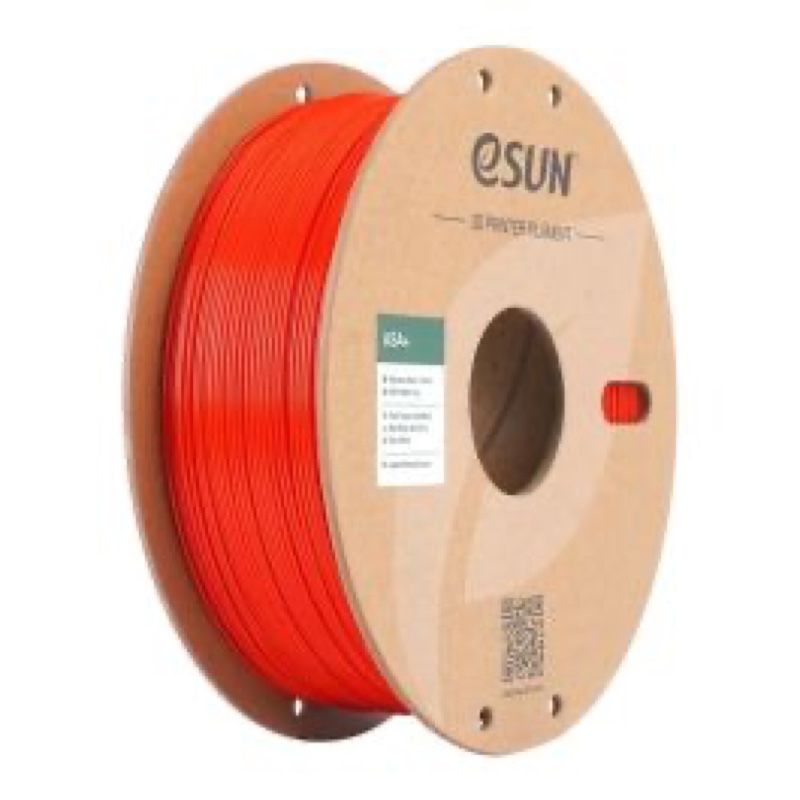
Best atSmall outdoor covers and labels that you can inspect, replace and trial before making a batch.
Less suited toUnsuitable open printers, tight deadlines and parts that need a proven load or service-temperature rating.
The Key Specs
| Reviewed grade | Standard ASA / eASAASA+ is a separate formulation; match the spool label to its data sheet. |
|---|---|
| Printer setup | Enclosure required; high shrinkagePlan for tuning and check cooled parts for lifted corners or bowed walls. |
| Starting temperatures | 240–270°C nozzle; 90–110°C bedYour printer must support both ranges under its approved operating conditions. |
| Part cooling | 0% part-cooling fanThis does not mean switching off hot-end cooling or enclosure exhaust. |
| Outdoor use | eSUN claims weather resistanceA candidate for replaceable outdoor parts, with no established lifespan for your print. |
| Heat distortion | 88°C at 0.45MPaA molded-specimen test figure, not a continuous-use rating for a layered part. |
Which ASA Spool Should You Choose?
- One confirmed standard eASA spool
- Choose this to trial the reviewed material; verify the SKU, diameter and net weight before ordering.
- ASA+ instead
- Consider this separate formulation if standard eASA cannot be confirmed, and use ASA+ documentation rather than these settings.
Budget Beyond The Spool. Allow for an approved enclosure and suitable ventilation if your setup needs them, build-plate preparation supplies, a compatible filament dryer when needed, and filament and printing time for trial parts and retries.
Handling And Compatibility Details
| Printing speed | 40–100mm/s in eSUN’s standard-eASA guidance, based on a 0.4mm nozzle. |
|---|---|
| Drying | The eBOX Pro manual lists ASA at 50–55°C for four to five hours; follow your spool and dryer instructions. |
| Drying qualification | The standard eASA data sheet supplies no drying schedule. |
| After cooling | Check the base, screw-hole alignment, lid fit and layer cracks before installation. |
| Buying check | Confirm the material name, SKU, diameter and net weight; a generic packaging photo is insufficient. |
I’d consider standard eSUN ASA for small outdoor parts if you already have a suitable enclosed printer and can spend time adjusting settings. Its main drawback is shrinkage during printing: a part can finish yet still have lifted corners or walls that don’t fit properly. I wouldn’t buy it just because the spool looks cheap.
ASA is a plastic sold as filament: a continuous strand that the printer melts and lays down in layers. This review covers standard eSUN ASA, also documented as eASA. Check that distinction before ordering. eSUN now sells ASA+ through a store listing that previously used the eASA name, so an old listing title or review may describe a different formulation from the spool you’ll receive.
Check Whether You’re Buying eSUN ASA Or ASA+
eASA is the name on eSUN’s older standard-ASA technical data sheet. It isn’t another name for ASA+. The newer product has separate specifications and printing guidance, including a higher recommended nozzle-temperature range.
The confusing part is the store. eSUN’s official listing still has an eASA web address but now calls the product ASA+, and some image labels still say eASA. That mix of names doesn’t mean you can treat the two materials as the same filament.
It’s unclear whether you can still buy standard ASA in the US. The current official product page for US buyers offers ASA+; it doesn’t confirm that standard ASA is still made or supplied there. An older data sheet marked “mass production” doesn’t settle that either. There isn’t enough confirmation to call standard ASA officially discontinued.
Before buying, ask the seller to match the actual spool and box labels to the product code, often called a SKU, and the relevant data sheet. Confirm the material name, filament diameter and net weight. A generic eSUN packaging photo isn’t enough when the title and description disagree.
If the seller can only confirm ASA+, check that product’s own specifications. Don’t use standard eASA results to predict how the newer spool will behave.
What It Takes To Print eSUN ASA
The nozzle deposits melted plastic onto the heated bed, the surface the print rests on. For standard eASA, eSUN specifies a 240–270°C nozzle, 90–110°C heated bed, 40–100mm/s printing speed and 0% part-cooling fan. Those recommendations use a 0.4mm nozzle. They’re starting settings, not a promise that every shape will print well.
The part-cooling fan blows over the printed plastic. The 0% setting doesn’t apply to your enclosure exhaust or the fan that cools the printer’s hot end, where the filament melts.
Plan on an enclosure that your printer’s manufacturer permits. eSUN explicitly warns about high shrinkage and calls for a printer with a chamber, meaning an enclosed printing space. Keeping that space warm reduces the temperature difference between the print and the surrounding air, helping limit warping as the plastic cools.
A hot nozzle alone doesn’t make an open printer suitable. Adding a heater or wrapping a printer in insulation isn’t a substitute for approved operating conditions.
Filament printing releases tiny airborne particles and gases, so the enclosure also needs emissions control. Use a well-ventilated workspace, preferably with exhaust that captures emissions near the printer and removes them outdoors.
A closed cabinet alone isn’t enough, and you shouldn’t assume a particle filter also removes gases. Follow the printer and ventilation equipment instructions; don’t switch off exhaust to rescue a print.
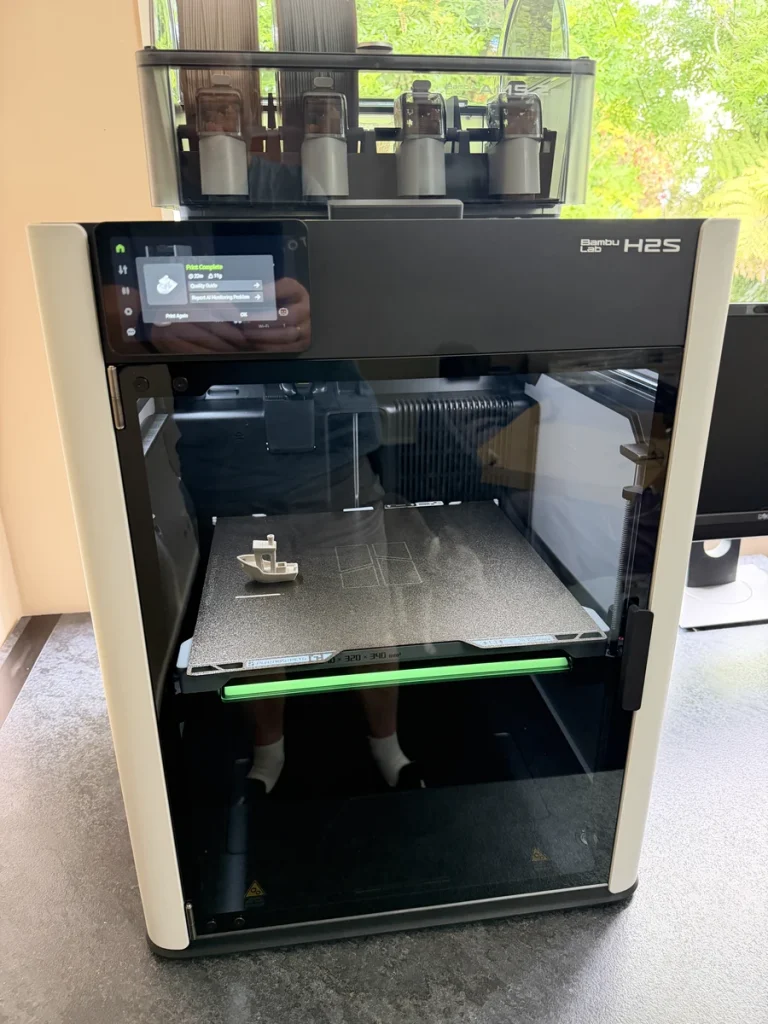
Getting a print to stick to the bed doesn’t solve every shrinkage problem. Corner lifting happens when an edge pulls away from the build plate. Wall distortion can happen above the plate, where sections cool and contract differently. A box can stay attached while its sides bend near a thick, solid base.
One owner reported that second problem with standard eSUN ASA on a Prusa i3 MK3S+, without an enclosure, in a hot Australian garage. The nozzle was at 250°C; the bed started at 100°C and rose to 120°C. Changing nozzle size and the amount of plastic filling the part’s interior didn’t remove the distortion.
The later bed setting exceeds eSUN’s guidance. This report shows how a box can distort even while it stays attached; it doesn’t provide recommended settings or prove a brand-wide failure.
Use your build plate’s ASA preparation instructions. A brim—a thin border printed around the base—can help hold edges down, but it can’t guarantee straight walls. Try one print before making a batch, especially for parts with wide bases or thick solid sections.
For drying, eSUN’s eBOX Pro manual lists ASA at 50–55°C for four to five hours. That’s guidance for that dryer; the standard eASA sheet supplies no drying schedule. Follow instructions for your spool and dryer rather than borrowing another brand’s hotter recipe.
What eSUN ASA Can Handle Outdoors
ASA’s resistance to sunlight is the main reason to consider it instead of ABS, another common printing plastic, for exposed parts. eSUN describes standard eASA as weather resistant. That makes it a reasonable candidate for garden labels, small covers and similar parts you can inspect and replace. It doesn’t establish how many summers a particular print will last.
For heat, the standard eASA sheet reports a heat-distortion temperature of 88°C under a 0.45MPa test load. This measures bending under specified laboratory conditions. It isn’t a safe operating temperature for every printed part.
The sheet gives no temperature rating for ongoing use, and its material figures come from test pieces made in molds rather than layered prints.
That distinction matters for strength, too. Your printer builds a part in stacked layers, and the bonds between them can become a weak point. A smooth surface doesn’t tell you how well those layers joined. Neither a material strength figure nor the word “ASA” tells you how much weight your particular bracket can carry.
Judge usable quality after the print has cooled. Check that the base sits flat, screw holes line up and any lid closes without forcing it. Look for cracks between layers, especially around thin mounting tabs. These checks won’t certify a load rating, but they’ll catch parts that are already unsuitable before you install them.
For a simple outdoor cover, slight surface unevenness may not matter. Distortion that stops the cover fitting does.
If the part must hold weight for long periods, keep its exact shape near heat or protect someone from injury, you need evidence for that design and use. Standard eSUN ASA’s weather-resistance claim doesn’t answer those questions, and there isn’t a supported lifespan or load rating to give you here.
Is eSUN ASA Good Value For Your Parts?
I wouldn’t call standard eSUN ASA a proven US budget winner. Ambiguous listings make it too easy to compare an older standard spool with ASA+, a different pack size or an overseas offer. There isn’t a dependable like-for-like basis for claiming that standard eASA generally costs less than a particular rival.
If you find a confirmed standard spool at a lower cost, buy one before ordering several. Judge its value by the parts you can actually use.
A failed large box costs filament, printing time and another attempt; a completed box with bowed sides can cost just as much. A lower spool price helps only if the material works for what you’re making.
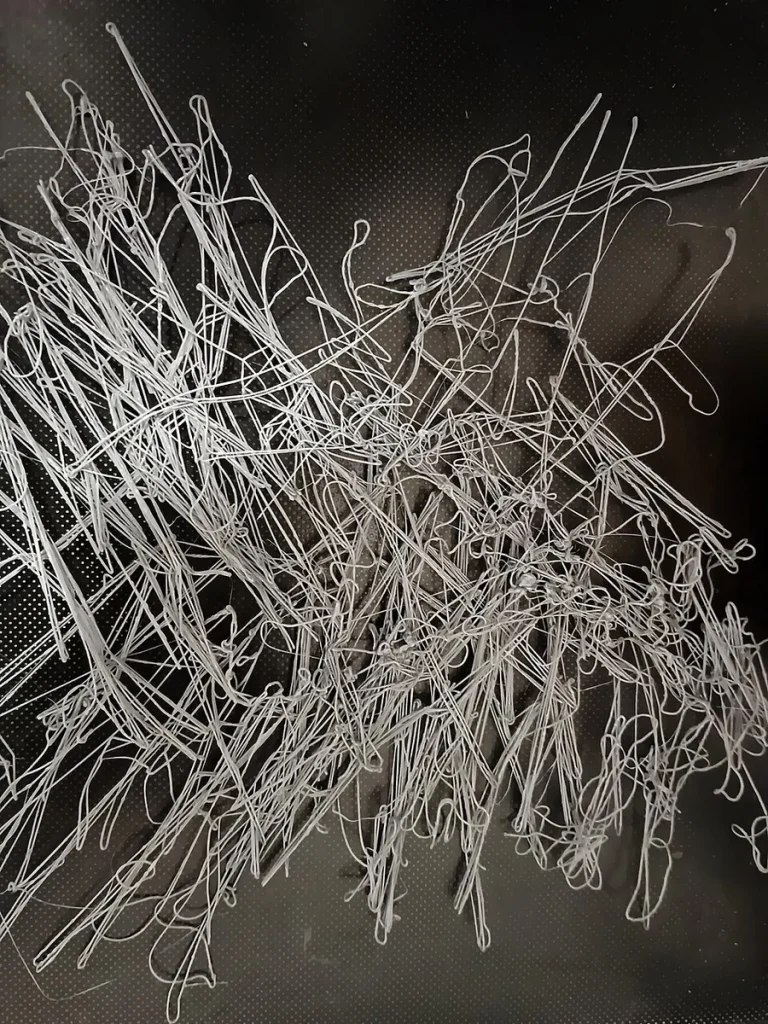
Some owners do report success. One long-term user reports good results with eSUN ASA in a chamber, while other accounts describe tuning and warping problems. Those reports don’t give enough detail about comparable setups to calculate failure rates or choose a more reliable brand.
ASA+ is the closest eSUN alternative to consider when you can’t confirm a standard spool. Knowing which product you’re getting helps you find the right instructions, though it doesn’t guarantee better prints.
For a sheltered holder or an indoor functional part without demanding heat requirements, PETG, another printing plastic, is the simpler alternative. It generally warps less and is easier to print. Check the chosen PETG’s suitability for the exposure you expect, but don’t take on ASA’s extra setup work when your part doesn’t need it.
Should You Choose eSUN ASA?
Choose a confirmed standard eSUN ASA spool if you want to try modest outdoor parts, your printer supports enclosed ASA printing, and your workspace can control emissions. It makes most sense when you can test the actual shape, check the cooled result and afford a few adjustments before making more.
Skip it for now if you have an unsuitable open printer, no workable ventilation arrangement or a deadline that leaves no room for tuning.
Check the formulation first if the listing mixes ASA, eASA and ASA+. If the seller can’t tell you which spool will arrive, choose a clearly identified product instead.
If your part needs to withstand a particular temperature or carry weight reliably, settle those requirements before buying: standard eSUN ASA’s published material figures don’t tell you whether your finished part will do the job.


