Atomic Filament Carbon Fiber ASA Review
Costs more than Atomic’s plain Black ASA
Our verdict
I’d consider this for visible outdoor covers and other noncritical parts when the deep-black, textured finish matters. I would choose plain ASA first if weather resistance is the main requirement; carbon fiber alone would not persuade me to pay more.
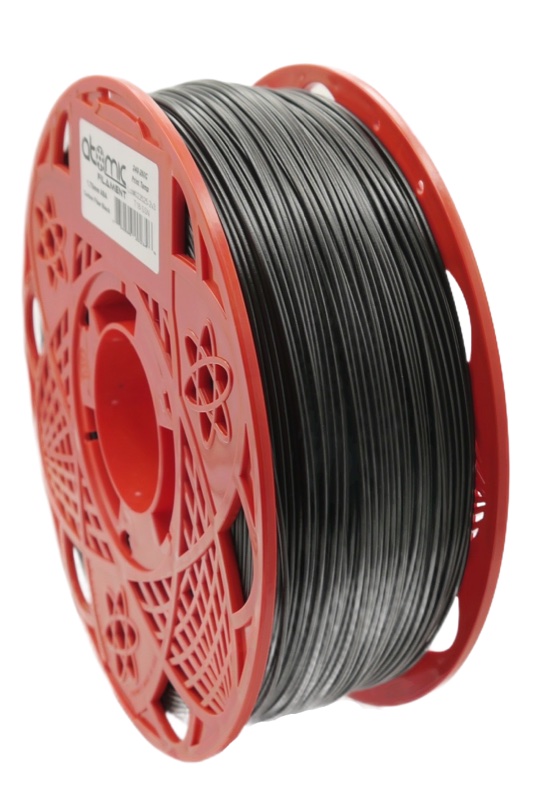
Best atVisible, noncritical outdoor parts where the black finish matters and you can check the result before use.
Less suited toPrinters that cannot meet the hotter bed guidance, or demanding loaded parts without relevant test data.
The Key Specs
| Printing temperatures | 240–260°C nozzle; 110–120°C bedCheck the bed limit first: a P1S cannot reach the published bed range. |
|---|---|
| Abrasive filament | Wear-resistant nozzle recommended; 0.40 mm minimum, 0.50 mm recommendedAlso follow your printer’s nozzle and extruder requirements. |
| Enclosure | Strongly recommendedAvoid drafts across the print and plan ventilation alongside the enclosure. |
| Finish | Deep black and texturedI’d choose it for visible covers; an attractive finish does not establish accurate dimensions or dependable production. |
| Automatic feeding | AMS compatibility depends on the feeder’s rulesThe AMS 2 Pro manual excludes other brands’ fiber-filled filaments; use external feeding unless support is confirmed. |
| Heat rating | 105°C manufacturer claim; test conditions unspecifiedDo not treat this as a continuous-use limit for loaded parts. |
Which Spool Or Sample Should You Buy?
- 1 kg spool · 1.75 mm
- Choose it when your printer meets the requirements and you have enough planned printing to justify a full spool.
- 50 g sample coil · 1.75 mm
- Choose it for a small finish or fit trial before buying a kilogram; confirm availability because the listing contains sold-out messaging.
Budget For Handling And Hardware. Allow for wear-resistant printing hardware, suitable drying equipment, sealed storage and desiccant. An enclosure and ventilation may also add to the setup cost.
More Material And Handling Details
| Reinforcement | Milled carbon fiber in ASA; increased stiffness does not establish strength, impact resistance or layer bonding. |
|---|---|
| Drying | Atomic’s general ASA/ABS guidance is 80°C for 4–8 hours, not a separate ASA-CF procedure. Check the supplied spool’s heat limit first. |
| Storage | Store sealed with desiccant after drying. |
| Spool fit | The current 1 kg spool is roughly 200 mm across and 67 mm wide; physical fit alone does not establish feeder compatibility. |
| Outdoor use | Weather resistance does not establish a measured outdoor lifespan for this formulation. |
I’d consider Atomic’s Carbon Fiber Black ASA for outdoor parts with a deep-black, textured finish, provided the printer is already equipped for abrasive filament. The finish is its main appeal to me. I would not choose it simply because “carbon fiber” sounds stronger, or assume it can carry more weight or last longer near heat.
ASA is a plastic commonly chosen for resistance to sunlight and weather. With carbon fiber added, you’re paying more for a different finish and the possibility of stiffer parts. The setup requirements may add to that cost.
What Your Printer Needs For Atomic ASA-CF
Atomic specifies a nozzle temperature of 240–260°C, a heated bed at 110–120°C, and strongly recommends an enclosure. Its minimum nozzle opening is 0.40 mm, with 0.50 mm recommended. It also recommends a hardened or wear-resistant nozzle because the fiber wears ordinary brass over time.
Check your printer’s bed limit first. For example, the Bambu P1S has a hotend—the assembly that melts the filament—capable of 300°C, but its bed stops at 100°C. It supports ASA generally, yet it cannot follow Atomic’s published bed range.
Bambu also calls for hotend and extruder upgrades before printing fiber-filled materials on a stock P1S. The extruder is the mechanism that pushes filament into the hotend. A nozzle upgrade alone doesn’t resolve that bed-temperature mismatch.
Nozzle guidance can differ, too. Bambu recommends a hardened 0.6 mm nozzle for other brands’ carbon- or glass-fiber filaments. Follow your printer’s requirements as well as Atomic’s; the minimum opening listed for the filament doesn’t mean every hotend of that size is suitable.
Atomic advises avoiding part-cooling fans and drafts. Temperature differences between an ASA print and the surrounding air can make the part warp; keeping the air around it warm helps limit that distortion. Leave the fans that protect the printer’s electronics and hotend running.
These instructions are starting points, not a complete set of printing settings. They don’t establish an enclosure temperature or printing speed for your printer.
Then there’s AMS, Bambu’s automatic filament-feeding system. Atomic’s current 1 kg spool measures roughly 200 mm across and 67 mm wide, within the AMS 2 Pro’s size limits.
Physical fit is only one requirement. Filament rubs against the tubes that guide it through the feeder, and worn tubes can cause feeding failures. The AMS 2 Pro manual excludes other brands’ carbon- and glass-fiber filaments, despite Atomic’s broad compatibility claim.
I’d use the printer’s external spool feed unless Bambu confirms support for this formulation and your AMS model. Check the rules for the model you own, whether that’s an original AMS, AMS lite or AMS 2 Pro. An “AMS Compatible” label doesn’t establish long-term resistance to wear.
For drying, Atomic’s FAQ gives its ASA/ABS range as 80°C for 4–8 hours, depending on the dryer and moisture exposure. That advice covers Atomic’s ASA range; it isn’t a separate ASA-CF procedure. The AMS 2 Pro tops out at 65°C, so it cannot reproduce that drying cycle.
Check the supplied spool’s heat limit before drying, then store it sealed with moisture-absorbing desiccant packs.
Finally, plan ventilation alongside the enclosure. Government workplace guidance recommends capturing printer emissions with local exhaust or a ventilated enclosure, including arrangements that exhaust outdoors. A box that keeps a print warm doesn’t necessarily keep fumes and particles out of your room. Avoiding drafts across the part doesn’t mean printing in an unventilated room.
My Take On Atomic ASA-CF’s Print Finish
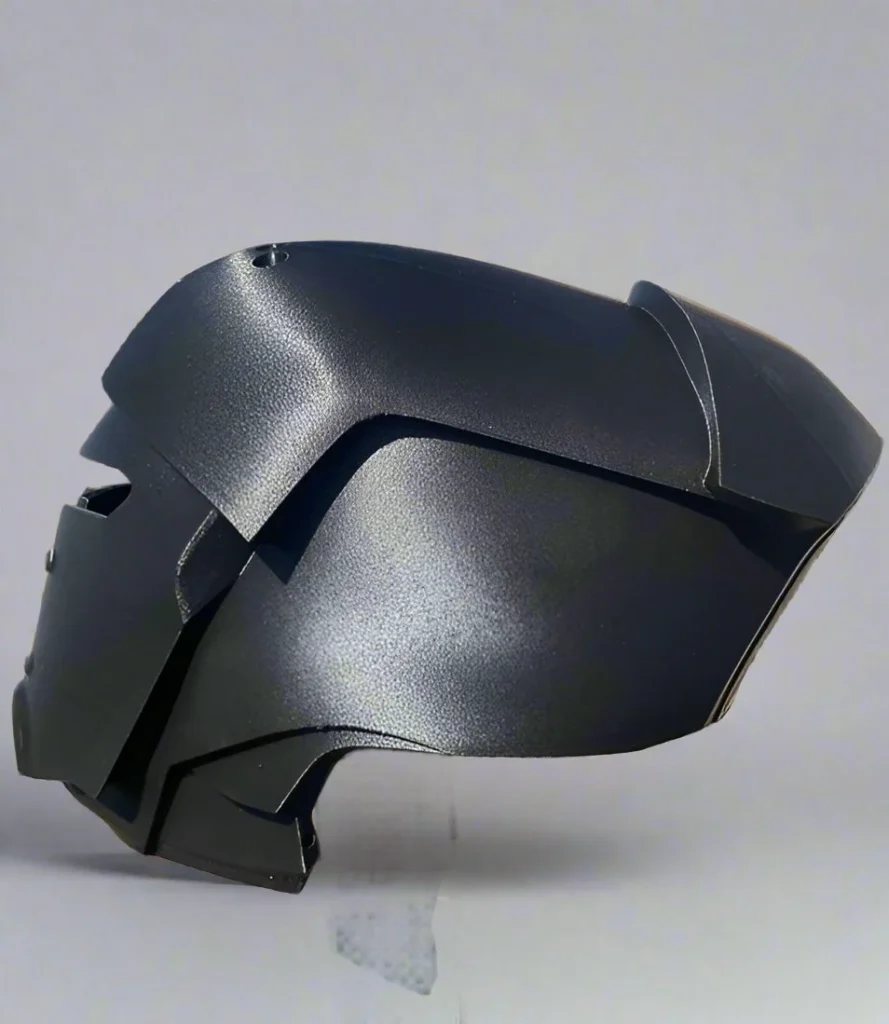
The deep-black, textured finish is what interests me most about Atomic ASA-CF. I like that appearance for visible covers and display pieces that will stay unpainted. For those jobs, the finish is a clearer reason to choose this filament than a vague expectation of stronger parts.
I would start with a small piece before committing to a large enclosure lid or a matching set. Surface finish depends on the printer, temperature control and settings, and an attractive small part does not establish how a larger one will turn out. I would give the enclosure and protection from drafts as much attention as the material choice.
Atomic claims fewer stray plastic threads, less shrinkage and curling, and sharper corners. I would treat those as potential benefits rather than guaranteed improvements over plain ASA. I would not pay the premium on an assumption that the filament will make an open printer behave like a well-controlled enclosed machine.
For parts that fit together, I care more about the joint than the overall appearance. I would print the relevant hole, slot or joining section first, measure it after cooling, and check it against the actual hardware. A clean-looking corner would not be enough to convince me that the fit is right.
I also treat the advertised diameter tolerance as a specification for the filament strand, not a promise about the finished object. It does not tell me how consistently different spools will print or how many failed jobs I should expect. That is another reason I would try a small quantity before buying for repeated production.
Does Atomic’s Carbon Fiber Make Better Parts?
Stiffness is resistance to bending. Strength is how much force a part withstands before it permanently deforms or breaks.
Impact resistance is how well it handles a sudden knock, while layer bonding describes how well the stacked layers hold together. A gain in one doesn’t establish a gain in all four.
Atomic describes its reinforcement as milled carbon fiber: short fibers mixed into the plastic, rather than continuous strands laid through the whole part. The company claims increased rigidity and retained impact resistance. That makes stiffness a reasonable reason to try it, but it doesn’t tell you how much weight your bracket can hold.
How much stiffer or stronger is it than plain ASA? The available comparisons don’t establish a dependable answer for this Atomic formulation. A useful comparison would document the part shape, the direction its layers were printed, wall thickness, the amount of plastic inside the part and printing conditions. Without those details, a reported strength figure could reflect how the sample was printed as much as the formulation.
Adding fibers to printing plastics can also reduce impact resistance or bonding between layers. That’s a reason to check those properties, not proof that this Atomic blend is brittle. The claim that it keeps its impact resistance needs tests of this blend, just as a strength claim does.
Think about the part’s actual job. For a panel you want to flex less, stiffness could be useful. For a clip that must bend repeatedly without snapping, don’t assume reinforcement makes it tougher.
If breakage could hurt someone or damage expensive equipment, choose a material and design with relevant supporting tests.
Using Atomic ASA-CF Outdoors Or Near Heat
Outdoor use is a sensible reason to consider an ASA-based filament. But resistance to ultraviolet light—the part of sunlight that can damage plastics—is different from a guarantee that a printed part will keep its strength indefinitely. Atomic’s weather-resistance claim doesn’t give you a measured outdoor lifespan for this formulation.
For demanding exposure, the useful evidence would show how printed samples changed after specified sunlight or accelerated-weathering tests. The conditions, duration and remaining strength matter. A material can still look acceptable while no longer meeting the mechanical needs of a particular job.
Atomic says the filament is rated to 105°C, but doesn’t identify what that rating measures. Its product page gives no test method, load or duration, and doesn’t say how the sample’s printed layers were arranged. Don’t read it as permission to keep a loaded part at 105°C continuously.
Even a properly identified heat-deflection temperature tells you when a sample bends under particular test conditions. It doesn’t, by itself, tell you how long a part will last near heat. A thin arm held under constant force near a heat source needs more evidence than a decorative cover that gets warm occasionally.
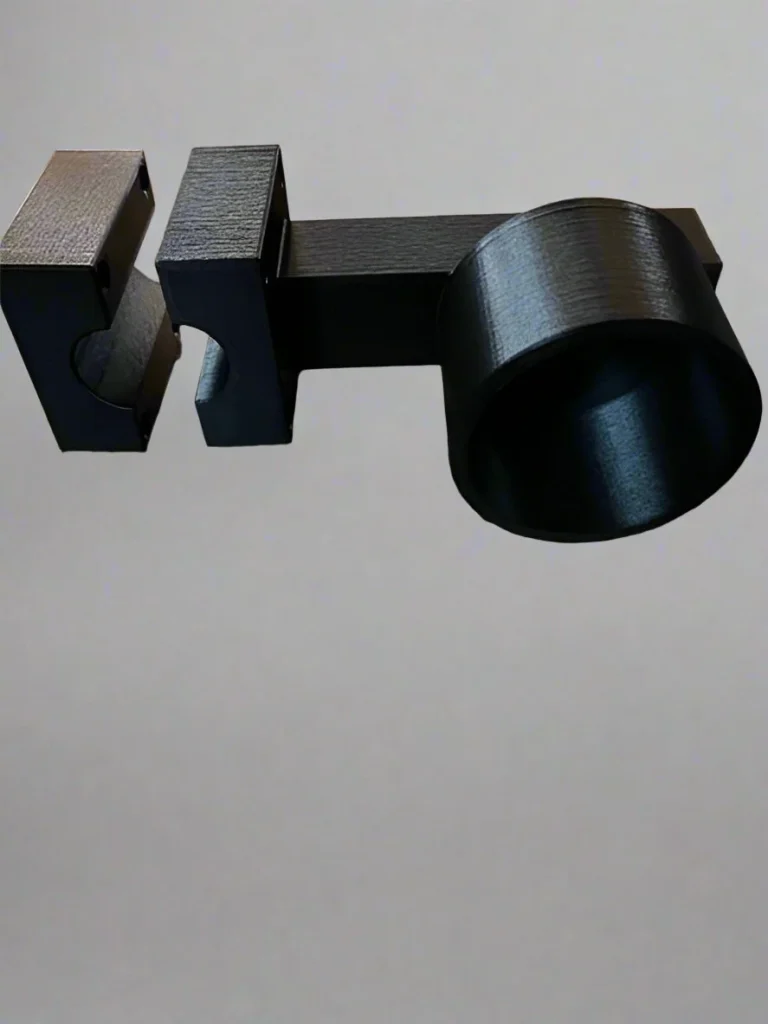
For a noncritical outdoor cover, a trial part is a reasonable next step. For a hot, loaded mount, ask for test data matching the exposure before choosing the material. I would not treat a successfully printed fan shroud as proof of a safe operating temperature or a long service life.
Is Atomic ASA-CF Worth The Extra Setup?
The closest useful alternative is Atomic’s plain Black ASA. Both are listed as 1.75 mm filament in 1 kg packages, and the carbon-fiber version costs more. Plain ASA already gives you a plastic intended for outdoor use. You don’t need fiber just because the finished part will go outside.
Plain Black ASA also has a lower published bed range of 90–110°C. That overlaps the P1S’s capability and makes it a more straightforward candidate for that printer, with an appropriate build surface and settings. It still calls for an enclosure and ventilation; switching formulations doesn’t remove the normal ASA setup requirements.
If your printer already has suitable wear-resistant hardware and can meet the bed-temperature guidance, trying ASA-CF is easier to justify. You’re mainly deciding whether the finish and any demonstrated reduction in bending are worth the higher material cost. If you need hardware, drying equipment and ventilation changes first, count those costs before buying the spool.
Atomic lists a 50 g sample coil, which could let you inspect the finish and test a small section of your design before buying a kilogram. Confirm that it’s available before planning around it: the sample listing contains sold-out messaging. A sample is enough for a limited trial, not proof of performance across large prints or repeated batches.
I wouldn’t pay the premium solely on the expectation of fewer failed prints. That saving depends on your designs and settings, and the available reports don’t quantify it. The clearest reason to spend more is that you specifically want this black finish and can verify that the resulting part does its job.
Who Should Consider Atomic ASA-CF?
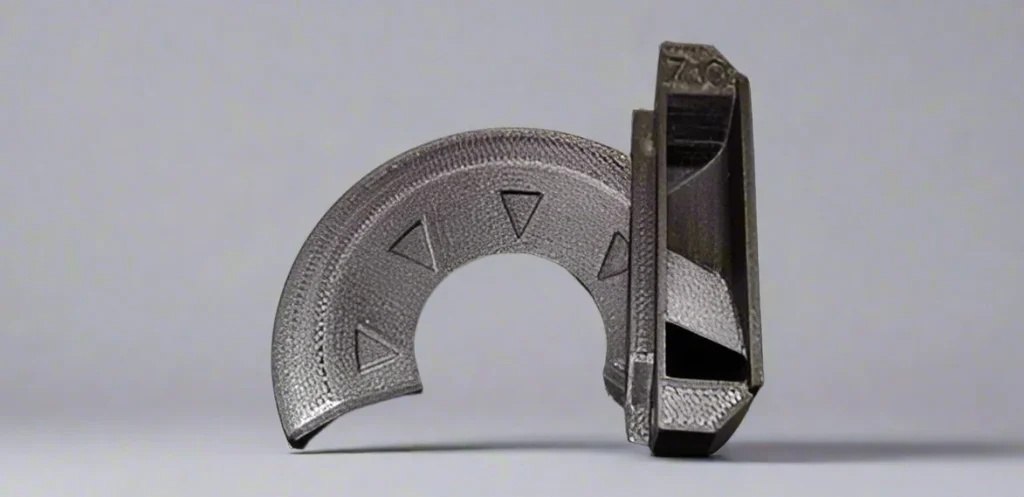
Consider Atomic Carbon Fiber Black ASA if you already print demanding materials, want an attractive black surface, and can evaluate the parts before relying on them. Visible outdoor covers and other noncritical pieces are reasonable starting points. Parts that need to bend less may also justify a trial, provided you check the result under their intended load.
Choose plain ASA first if weather resistance is your main requirement, cost matters, or the carbon-fiber version’s hotter bed guidance doesn’t suit your printer. Skip this spool for now if you can’t provide the required setup or need automatic feeding and your AMS documentation excludes this filament.
For demanding mechanical or high-temperature use, the decision needs test data for this formulation under conditions relevant to your part. The limited evidence leaves that question open; it doesn’t make this a poor filament.


