Bambu PETG Basic Review
More to budget if you need a dryer or separate spool.
Our verdict
I see it as a useful choice for everyday, replaceable household parts on a Bambu printer, especially if you value ready-made settings and AMS recognition. Start with one spool of the revised formula, dry it properly and check a representative part before buying a batch. Keep using PETG HF if it already meets your needs.
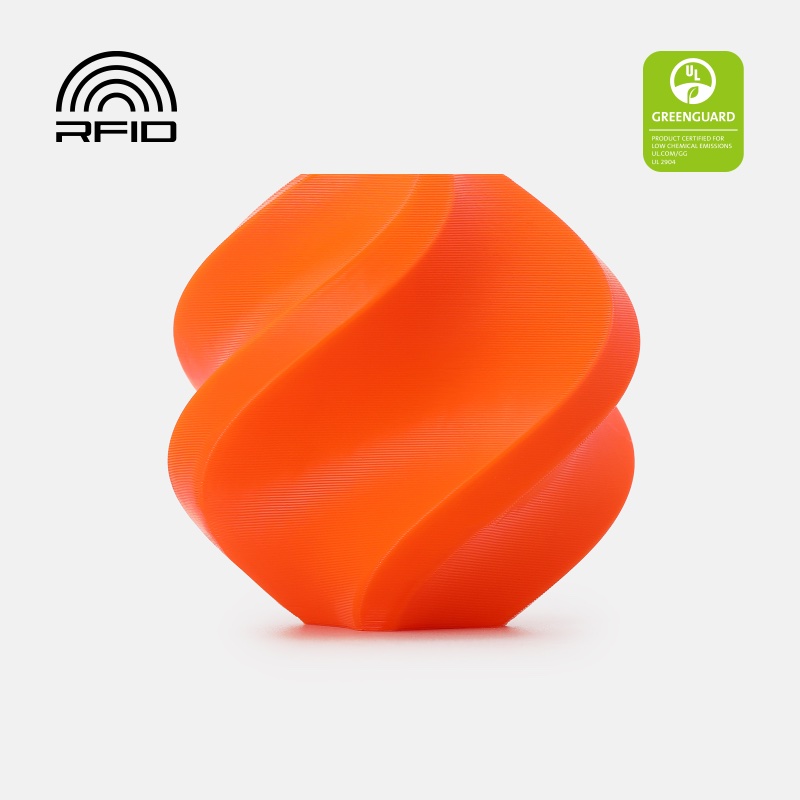
Best atFunctional household parts on Bambu printers when convenient material setup matters.
Less suited toMinimal preparation, an exact match for HF’s finish, or proven performance under prolonged heat and load.
The Key Specs
| Setup | Bambu PETG Basic preset and AMS recognitionUse the preset for your printer and nozzle; an external holder requires manual material selection. |
|---|---|
| Drying | 65°C for eight hours in suitable drying equipmentPlan preparation time before assessing print quality; kitchen ovens and microwaves are unsuitable. |
| Storage | Below 20% relative humidity, sealed with desiccantKeep moisture out after drying and while printing. |
| Bending strength | 75 MPa in Bambu’s revised-formula comparisonA material comparison, not a load rating for your bracket or hook. |
| Heat deflection | 71°C under a 0.45 MPa test loadThis is not a continuous working-temperature rating. |
Which Spool Format Should You Buy?
- Filament with spool
- Choose this if you do not already have a suitable empty reusable spool. Check that the listing describes the upgraded formula.
- Refill
- Choose this when you already have a compatible reusable spool; follow the refill installation instructions.
Budget For Drying And Storage. Allow for suitable filament-drying equipment, sealed storage and desiccant. A refill needs a compatible reusable spool. Include plate-appropriate glue; an AMS 2 Pro on a P1-series printer also needs the appropriate connection hardware and a power adapter for drying.
More Handling And Compatibility Details
| Formula identity | Older and revised PETG Basic share the name. Look for the upgraded-formula description, rather than relying on a data-sheet version number alone. |
|---|---|
| AMS feeding | Listed for AMS, AMS lite, AMS 2 Pro and AMS HT; feeding compatibility does not establish heated drying or every printer connection. |
| Plate release | Follow your plate’s instructions. Glue helps PETG release from smooth PEI; let the plate cool before removal. |
| Finish and matching | Reported finishes vary. Try a small representative print before switching a batch from HF. |
| Long-term use | Published bending and impact figures do not establish creep performance or an outdoor lifetime. Inspect replaceable parts in service. |
I’d try Bambu PETG Basic if you own a Bambu printer and want to make useful household parts without starting from scratch on settings. PETG is a type of printing plastic, supplied as filament—the strand the printer melts to build a part. I’d start with one spool for drawer fittings, small holders or replaceable clips.
Basic’s strongest selling point is its ready-made Bambu settings, called a preset, plus automatic filament recognition through AMS and a reusable spool system. AMS is Bambu’s Automatic Material System, an accessory that holds spools and feeds filament to the printer.
The main drawback is preparation: Basic still needs drying and careful storage, and the revised formula doesn’t guarantee spotless prints. Bambu’s strength figures are encouraging, but they don’t establish how long your bracket will hold a load. If Bambu’s other PETG formula, PETG HF, already prints your parts well, keep using it.
Make Sure You’re Buying The Current PETG Basic
Bambu has reused the Basic name for a revised formula. Bambu announced the first PETG Basic in June 2023 and introduced PETG HF in July 2024. The current Basic documentation explicitly describes an upgraded formulation. That means an older Basic review can describe a different material even when the product name matches exactly.
Look for the upgraded-formula description in the listing you’re buying from. Bambu’s current comparison gives Basic a bending strength of 75 MPa, compared with 65 MPa for older Basic in the HF comparison table. MPa is the unit used for these strength figures; here, the numbers help distinguish the formulas. For old retailer stock, ask which formula the seller has before ordering.
Don’t rely on a document’s version number alone. Both older and revised Basic data sheets have circulated with a V3.0 label. Match the actual description and figures, too.
HF stands for high flow, referring to how readily filament can pass through the heated nozzle at faster printing settings. Basic and HF still have separate Bambu presets, also called profiles. Treat them as different materials when choosing settings, and keep older Basic spools clearly labeled so you don’t mix their results with the revised version.
Getting PETG Basic Ready For Your Printer
Plan to dry Basic before judging its print quality. Bambu recommends eight hours at 65°C in a forced-air drying oven or an AMS 2 Pro or AMS HT. The oven must provide even heat; Bambu rules out kitchen ovens and microwaves because they can damage the filament.
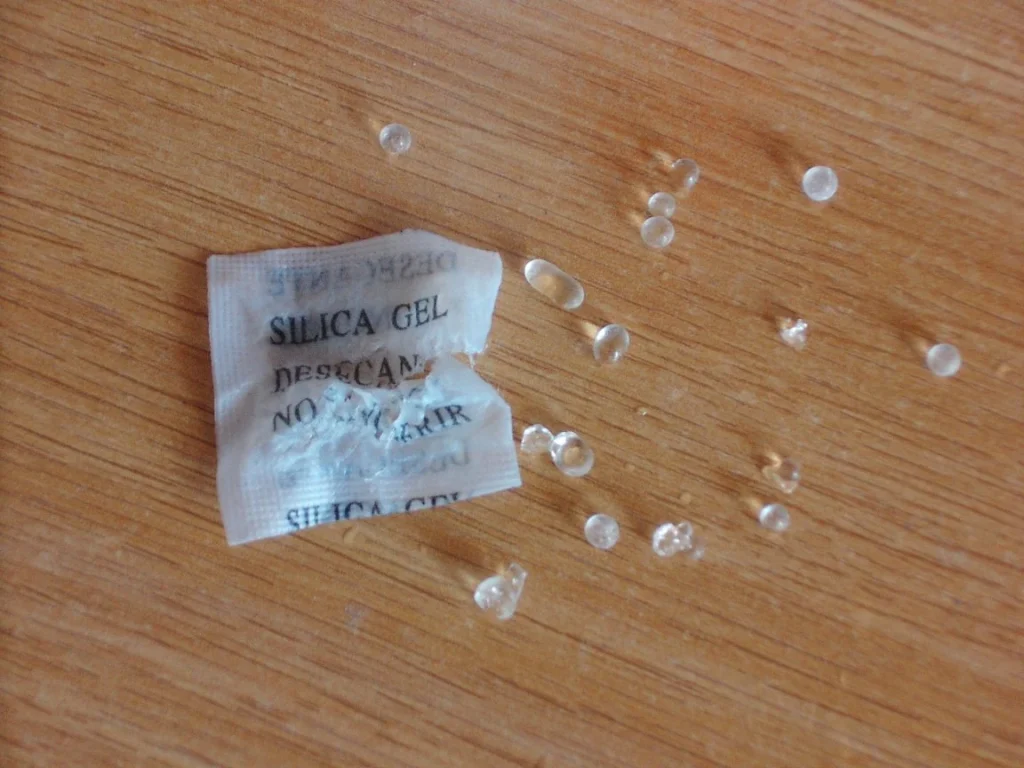
After drying, keep moisture out. Bambu specifies storage and printing below 20% relative humidity, with the filament sealed alongside desiccant—the moisture-absorbing material used in dry boxes.
Bambu says the revised formula is less sensitive to moisture than typical PETG. That doesn’t make drying optional for dependable results. Its product guidance specifically calls for thorough drying after more than 72 hours above 50% relative humidity. Think of that as an additional reminder, not a promise that every newly opened spool is ready to print.
Check which AMS you own. Basic is listed as compatible with the original AMS, AMS lite, AMS 2 Pro and AMS HT. That means they can feed the filament; it doesn’t mean every unit can heat-dry it or connect to every printer.
For example, adding an AMS 2 Pro to a P1-series printer requires the appropriate connection hardware and a power adapter for drying. Use the instructions for your printer and AMS combination.
In Bambu Studio, the software that prepares your model for printing, select the Bambu PETG Basic preset for your actual printer and nozzle. Start with an up-to-date default preset before applying adjustments saved for an older spool. Don’t copy the HF preset just because both materials are PETG.
If you feed filament from an external spool holder, select the material yourself. The AMS reads Bambu’s RFID tag—the electronic label that identifies the filament—so an external holder doesn’t provide automatic recognition.
Choose filament with a spool if you don’t already have a suitable empty reusable spool. A refill is the wound filament that goes inside one, so check that fit before ordering. Follow the refill’s installation instructions rather than treating the loose coil like a complete spool.
Finally, follow the instructions for your print plate. Bambu recommends glue in Basic’s data sheet. On a smooth PEI plate, named for its plastic printing surface, glue helps the print release without tearing that surface because PETG can stick too strongly. Let the plate cool before removing the print.
PETG Basic’s Print Quality And Useful Speed
The revised Basic can produce clean-looking parts, but there isn’t enough controlled evidence to call it consistently cleaner than HF. In one reported comparison, an owner printed the same small boat model in Basic and HF using their respective presets after drying both for eight hours at 65°C. That is a useful starting comparison, but missing nozzle, layer and software details prevent a firm ranking.
A separate report of white Basic described smooth surfaces with the Basic preset after roughly eight hours at 65°C in a dryer with an added dry-air supply. The follow-up also noted faint surface bands and marks from supports—the temporary printed structures that hold up overhanging parts. A good-looking top surface doesn’t tell you how much cleanup the underside will need.
Try a small print to check the finish, especially if you’re matching existing HF parts. Current-formula reports describe both fairly matte and noticeably glossy results. Different colors, shapes and settings make those accounts hard to compare, so don’t assume Basic will reproduce HF’s appearance.
Stringing means thin strands left between parts of a print; blobs are small unwanted lumps. If either appears, check drying and the selected preset before changing several settings together. Print the same small part after each change so you can tell what helped.
For speed, pay attention to maximum volumetric speed: the preset’s limit on how much plastic passes through the hotend—the heated nozzle assembly—per second, measured in cubic millimeters per second (mm³/s). That limit should match how much the hotend can reliably melt with that material. A wider or thicker printed line needs more plastic, so printing it may require slower movement to stay within the flow limit.
Bambu’s published X1 Carbon (X1C) profile files give Basic and HF different flow limits. Those settings don’t prove how fast your spool can print cleanly. Compare the estimated times for your own model using each material’s proper preset. Small details, unsupported edges and cooling pauses can matter more than a headline speed figure.
Where PETG Basic Makes Sense For Lasting Parts
Basic is a sensible candidate for practical parts you can inspect and replace: a drawer stop, cable guide, small bracket or clip. The reason to consider it is its combination of bending strength and impact resistance. That doesn’t mean every PETG part will outlast one made from PLA, another common printing plastic.
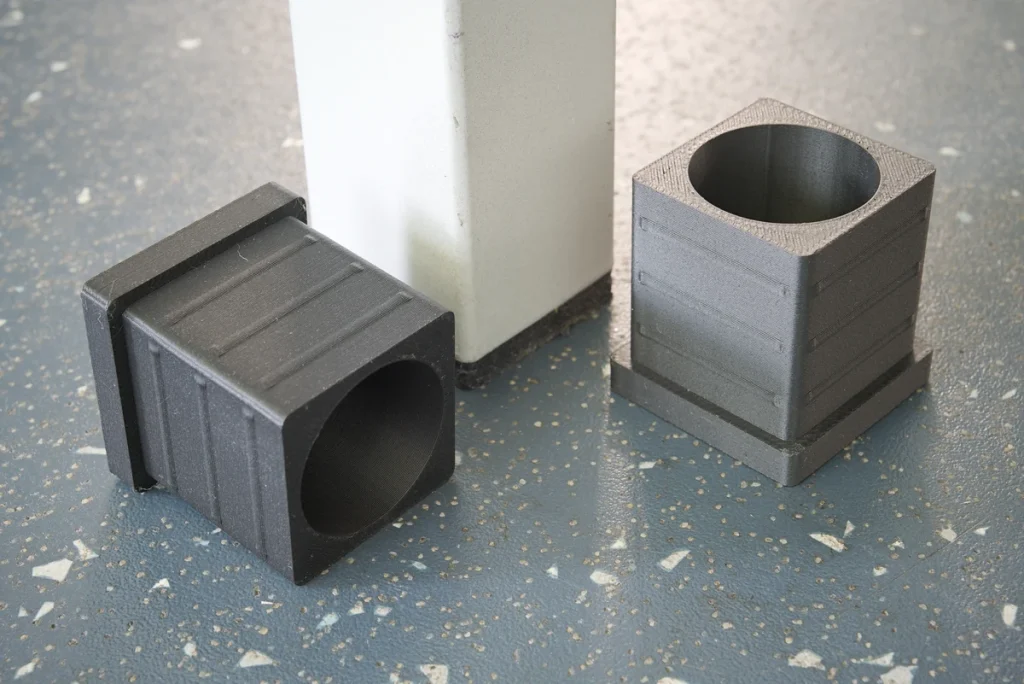
Bambu’s revised comparison puts Basic close to PLA Basic in bending strength and above HF. Bending strength describes resistance to failure when a test piece bends; it doesn’t tell you how rigid a long shelf bracket will feel.
Impact resistance describes response to a sudden hit. Neither measurement tells you how many times a thin clip can open and close before it cracks.
Layer direction matters, too. A printer builds a part from stacked lines of plastic, and pulling those layers apart is different from pulling along them. Bambu reports lower bending strength across the layers than along them.
For a bracket, consider which direction the load pulls before deciding how to place it on the print plate. A strong filament can’t make every orientation equally strong.
The manufacturer’s test pieces were printed on an X1 Carbon with a 255°C nozzle, a 70°C bed, a speed of 150 mm/s and 100% infill, meaning solid interiors. A hollow household print made with different cooling and wall settings is a different object. Treat those figures as material comparisons, rather than converting them into a weight your hook can carry.
Heat also needs context. Bambu lists a heat-deflection temperature of 71°C under a 0.45 MPa test load. That measures bending during a defined test; it isn’t a continuous working-temperature rating. Don’t choose Basic for a hot-car mount or a part beside a heater solely because the expected temperature sits below that figure.
For a permanently loaded hook, creep matters: plastic can slowly change shape while the load stays in place. Short bending tests don’t establish long-term creep performance. Use purpose-made hardware where a dropped load would hurt someone or damage something valuable; Basic’s published data don’t qualify a printed replacement for that job.
Bambu also markets the revised formula for resistance to water and the sun’s ultraviolet (UV) light. That makes replaceable garden labels or outdoor covers reasonable trial projects, but there’s no established outdoor lifetime here. Check exposed parts for cracking and changes in shape.
What You’re Paying For With PETG Basic
Basic’s setup convenience is most useful when you regularly swap materials or don’t already have PETG settings you trust. The preset and filament recognition save manual setup, while a suitable spool lets you use the filament in your AMS.
If you’re comparing Basic with another PETG, compare the same amount of filament in equivalent formats. A refill that needs a separately purchased spool isn’t the same purchase as a ready-to-use roll. Include any dryer you still need, too. Don’t assume the Bambu name always means a premium, or that an unfamiliar brand must cost less.
If another PETG is cheaper in the format you need, the question is whether Basic’s convenience earns the difference for you. Someone who already has a reliable third-party preset gains less than a beginner setting up their first PETG print. On a printer without Bambu’s filament-recognition system, that particular benefit disappears.
Keeping your existing HF is the closest useful alternative. If it gives you the finish, fit and strength your project needs, there is no demonstrated benefit in replacing it halfway through the job. Test Basic before switching a batch of matching parts.
For indoor ornaments, detailed models or a simple fit check, PLA may be the easier choice. PETG’s tendency to string and leave stubborn supports can add work you don’t need for those jobs. Choose Basic because the part benefits from PETG’s properties, not simply because it sounds tougher.
Should You Buy PETG Basic For Your Next Prints?
I’d buy one spool of the revised Basic if you want to make everyday functional parts on a Bambu printer and you’re willing to dry and store it properly. Start with a part that represents what you actually make, including its clips, holes or supported surfaces. Check the fit and finish before buying several colors or committing to a large batch.
Reconsider if you want minimal preparation, an exact match for HF’s finish, or proven performance under prolonged heat and load. Those are the main limits on Basic’s appeal as a convenient filament for everyday parts.


