eSUN PETG+ Review
More than eSUN PETG-Basic for a comparable spool.
Our verdict
I’d try one eSUN PETG+ spool for an indoor practical project if I had time to tune the settings. I wouldn’t replace PETG that already works well just for the plus label, or choose it for prolonged outdoor exposure while eSUN’s documents disagree.
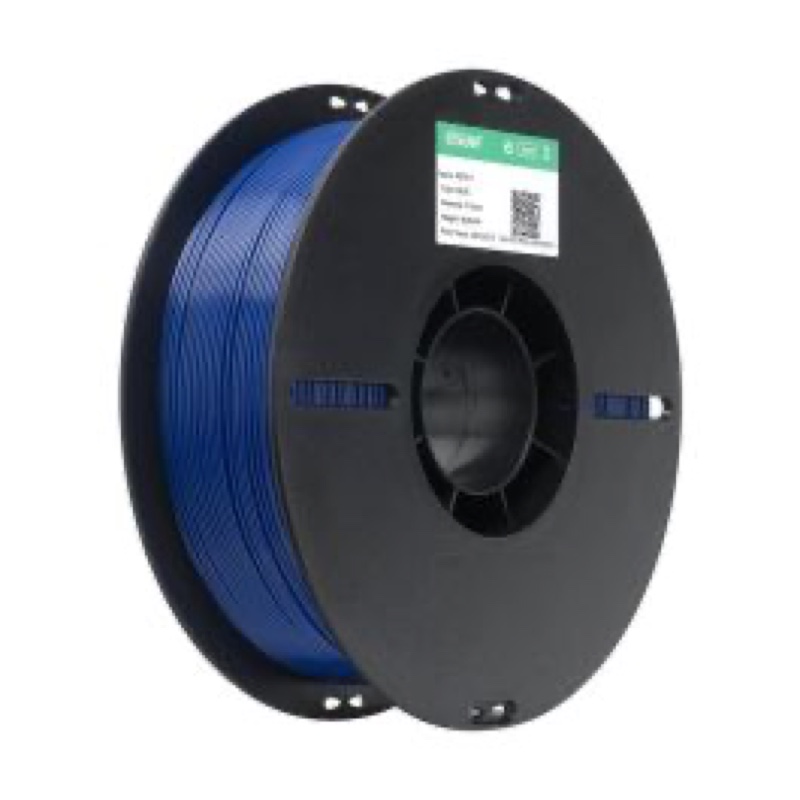
Best atIndoor organizers, prototype housings and lightly loaded parts, with fit and layer bonding checked before use.
Less suited toProlonged sun or chemical exposure, demanding loaded parts, or an effortless switch from a working material.
The Key Specs
| Reviewed material | PETG+ · 1.75 mm · 1 kg spoolCheck the spool label: PETG+HS, PETG-Basic and ordinary PETG are separately listed materials. |
|---|---|
| Printer temperatures | 230–250°C nozzle · 75–90°C bedYour printer must support these temperatures and accept 1.75 mm filament. |
| Drying | eSUN recommends 60°C for more than 8 hoursAllow for a suitable dryer, then keep the spool sealed with desiccant between jobs. |
| Advertised speed | Up to 250 mm/sThis is not a ready-made profile; line width, layer thickness and your printer’s melting capacity affect usable speed. |
| Heat limit | 70°C heat-distortion resultA laboratory result under load is not a continuous-use temperature for a loaded part. |
| Outdoor suitability | Conflicting manufacturer guidanceI would avoid buying it specifically for prolonged sun or chemical exposure until eSUN clarifies the mismatch. |
Which PETG+ Spool Should You Buy?
- 1 kg, 1.75 mm PETG+ spool
- I’d buy one for the intended indoor project before ordering several. Confirm PETG+ on the label and save the working profile for that variant and color.
Allow For Drying And Storage. Budget for a spool-sized dryer that can maintain 60°C, sealed storage and desiccant. Check your build plate’s instructions: a suitable plate or a glue-stick separation layer may also be needed.
More Handling And Compatibility Details
| Cooling | The product page gives 50–100% fan; the data sheet recommends 100% but uses 20% in its mechanical tests. Check both detail and layer bonding while tuning. |
|---|---|
| Build plate | For Prusa sheets, textured or satin is recommended for PETG; smooth PEI needs a glue-stick separation layer. Follow your own plate’s instructions. |
| Starting profile | Start with your printer’s PETG profile, check its temperatures against PETG+ guidance, and change one setting at a time on a small sample. |
I wouldn’t replace a standard PETG that already prints well just to get eSUN’s plus label. A clear improvement in everyday printing hasn’t been established by independent tests of this exact material.
It’s worth considering for indoor practical parts if you’re willing to adjust your settings. It isn’t an easy recommendation for demanding outdoor use, because eSUN’s documents disagree about weather resistance.
PETG is a plastic supplied as filament, the strand your printer melts and lays down in layers. This review covers the separately listed, 1.75 mm eSUN PETG+ in a 1 kg spool. If your label says PETG+HS, you’re looking at a different product.
Which eSUN PETG Does The Plus Label Mean?
eSUN lists PETG, PETG+, PETG-Basic and PETG+HS separately. PETG-Basic is its budget offering; PETG+HS is marketed for high-speed printing. Neither name establishes that it’s the same formulation as PETG+.
Look for PETG+ on the spool and packaging, and match the seller’s product information to eSUN’s PETG+ page. The linked technical data sheet is titled PETG+, November 2025, Version 1.0. Use that document to check what you’re buying; a seller adding “plus” to PETG isn’t enough.
If the title, label photos and supplied settings name different variants, ask the seller to clarify before ordering. A printing profile is a saved set of settings, such as temperature and speed. Don’t choose one solely because it starts with “eSUN PETG”; its settings may be intended for another variant.
The US catalog currently marks PETG+ out of stock. That doesn’t mean it’s discontinued, but it makes checking the seller’s actual spool especially useful. Don’t rely on an older PETG review or a PETG+HS listing to describe the spool you’re ordering.
What To Expect When Printing With eSUN PETG+
eSUN promises an even flow of plastic through the nozzle and parts that hold their intended shape. Those claims don’t yet tell you how much stringing to expect, how reliably a long print will finish, or whether another color will behave the same way.
Stringing means the fine plastic hairs left between separate areas of a print. Temperature and moisture can affect it, as can retraction: pulling the filament back between printing moves to reduce plastic leaking from the nozzle. A plus label doesn’t remove the need to dry the filament and adjust settings.
For surface finish and consistency, there isn’t enough clearly identified PETG+ testing to promise clean results straight from the bag. Reports about glossy or matte PETG+HS prints don’t establish what this spool will look like. Likewise, complaints about ordinary eSUN PETG don’t prove PETG+ has a recurring problem.
Layer bonding deserves a separate check from appearance. A smooth wall doesn’t tell you how hard it is to pull the printed layers apart.
Before making several lightly loaded mounts, print one and check its fit and how it handles the intended use. For a simple organizer, cosmetic cleanup may be acceptable; a mount that separates between layers needs more attention.
Don’t treat the advertised 250 mm/s limit as a ready-made speed setting, either. Your printer must melt enough plastic for the chosen layer thickness and line width. Thicker lines demand more material at the same printing speed, so that headline number doesn’t establish how quickly your part will print well.
Getting Your Printer Ready For PETG+
Your printer needs to accept 1.75 mm filament and support the documented temperatures: a 230–250°C nozzle and a 75–90°C heated bed. Check its operating limits before choosing settings. A printer that uses PLA, a common beginner-friendly printing plastic, isn’t automatically ready for every PETG temperature.
eSUN recommends drying this PETG+ at 60°C for more than eight hours. Use a dryer that can maintain that temperature and fit the spool. Between jobs, keep it sealed with desiccant, the moisture-absorbing packets used in filament storage, so it doesn’t keep picking up moisture.
Check your build plate’s instructions too. PETG can bond too strongly to smooth PEI, a common bed coating. For example, Prusa recommends its textured or satin sheets for PETG and a glue-stick separation layer if you use its smooth PEI sheet. Here, glue helps the finished print release without damaging the surface.
Cooling guidance isn’t entirely consistent: the PETG+ page specifies 50–100% fan, while the data sheet recommends 100% but uses 20% in its mechanical-test setup. Don’t treat the test setting as a universal recommendation.
The print fan cools the plastic as it’s laid down. With PETG generally, cooling helps preserve detail, but less cooling can help layers bond more strongly. That tradeoff makes both appearance and layer bonding worth checking as you adjust the profile.
Start with your printer’s PETG profile in the slicer, the software that prepares a model for printing, then check its temperatures against the PETG+ guidance. Print a small example of your intended part and change one setting at a time so you can tell which change helped. Save the working profile under the exact variant and color so you can reuse it.
Does PETG+ Suit The Parts You Want To Make?
Indoor organizers, prototype housings and lightly loaded brackets are reasonable first projects. They’re opportunities to check dimensions and assembly before committing to something more demanding. Treat these as suggested starting uses, not proof that any bracket design will hold a particular weight.
Heat needs more care. The data sheet gives a heat-distortion temperature of 70°C under a specified laboratory load, but no continuous-service temperature. That isn’t a promise that a loaded mount can sit at 70°C indefinitely. For a hot location, you need evidence covering both the temperature and how long the part must carry its load.
Outdoor advice is less settled. The product page promotes UV and chemical resistance, but the linked data sheet marks UV resistance and acid/alkali resistance “NO.” The documents don’t explain the mismatch. Don’t buy PETG+ specifically for prolonged sun or chemical exposure until eSUN clarifies which guidance applies.
For a part whose failure could injure someone or damage valuable equipment, this evidence doesn’t support a recommendation. Choose a material and design with testing that matches the job; a stronger-sounding filament name can’t supply that assurance.
Is eSUN PETG+ Worth Switching To?
If PLA already works for your desk organizers, detailed models or early prototypes, keep using it. PLA is easy to print, and changing materials adds setup work without necessarily improving those objects. Consider PETG when you have a specific need, such as a part that must tolerate more heat than your PLA allows.
For an existing PETG user, the closest useful alternative is the spool you already know. A switch should earn its place through cleaner results, a better-fitting part or a shorter successful print. PETG+ hasn’t established that advantage under comparable conditions.
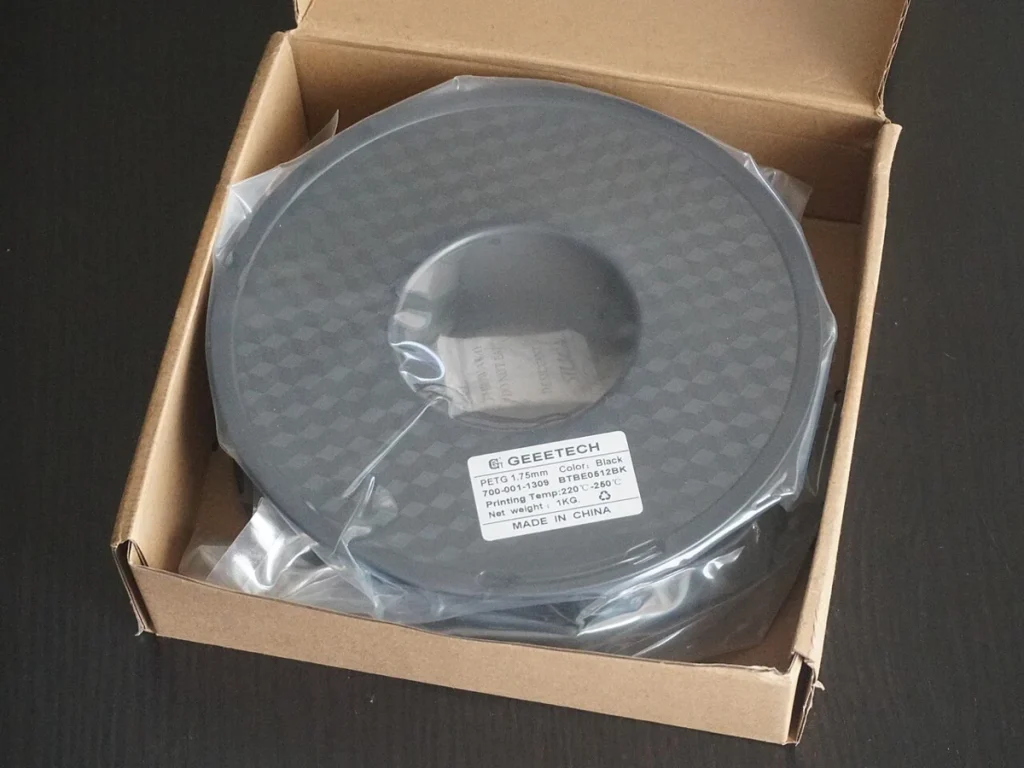
If you’re buying your first PETG, eSUN PETG-Basic is a cheaper option to consider. Compare equal spool weights and include any drying equipment you need in your budget.
I’d buy one PETG+ spool for a specific indoor project before ordering several. If you need predictable results immediately and already have a material that works, there’s little reason to spend time changing it.


